
Topic 1.1
The Main Economic Groups and Factors of Production
This topic covers the essential roles of consumers, producers, and governments, alongside the four factors of production—land, labour, capital, and enterprise—providing a fundamental framework for GCSE Economics.
The Three Main Economic Groups
Consumers
A person or organisation that uses or purchases a good or service: the end user of a good.
Impact: Create demand for goods and services in economies
Producers
A person, company or country that makes and supplies goods and services to make a profit, using the factors of production.
Impact: Control over quality, quantity and price
Governments
A political authority that decides how a country is run and manages its operation.
Impact: Correct externalities and achieve economic objectives, using policies
Interdependence: How They Connect
The three main economic groups are interdependent, which means that they depend on each other and the actions of one influence the others.
Governments
Collect taxes from consumers and producers, provide subsidies to businesses, and regulate economic activity.
Consumers
Pay taxes to the government and purchase goods and services from producers.
Producers
Supply goods and services to consumers and create employment, which helps reduce unemployment and lowers government spending on benefits.
Factors of production are the resources in an economy used in the production process to make goods and services.
The Four Factors of Production
CELL (Capital, Enterprise, Labour, Land)
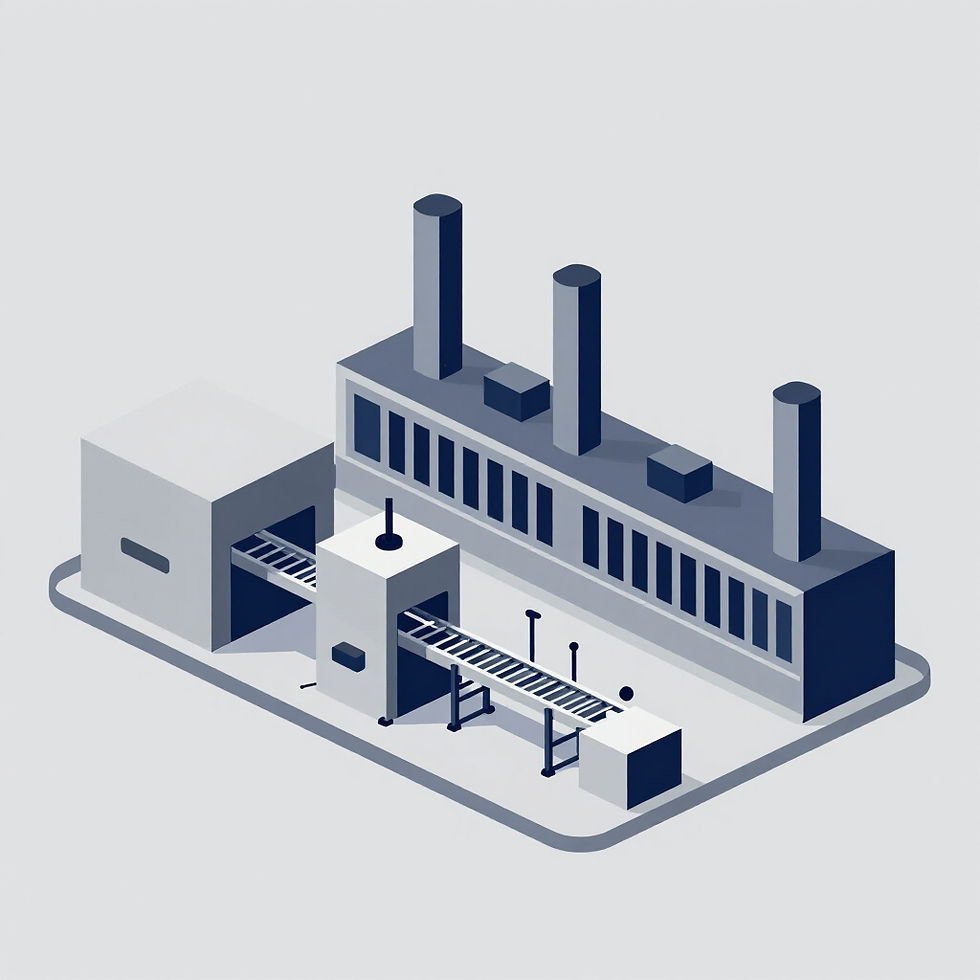
Capital
- Man-made aids to production like machinery
- Brings income in the future rather than used today
Reward: Interest

Enterprise
- Organises the other three factors of production
- Involves taking risks to start a business
Reward: Profit

Labour
- The workforce involving physical and mental effort
- Value increased by education and training
Reward: Wages

Land
- Raw materials and natural resources
- Exists naturally so is typically a scarce resource
Goods and Services
Tangible

Goods
A tangible product that can be seen or touched.
Intangible

Services
A product that is intangible and can't be seen or touched.
Top-Grade Tip
Extra Knowledge: Producer and Consumer Surplus
Consumer Surplus
The difference between the highest price a consumer is willing to pay and the actual price paid.
Example: Pizza — Willing to pay £12 | Pays £9 ➔ Consumer Surplus = £3
Producer Surplus
The difference between the price a producer receives and the minimum price they are willing to accept.
Example: Cinema Ticket — Willing to sell £6 | Sells £10 ➔ Producer Surplus = £4